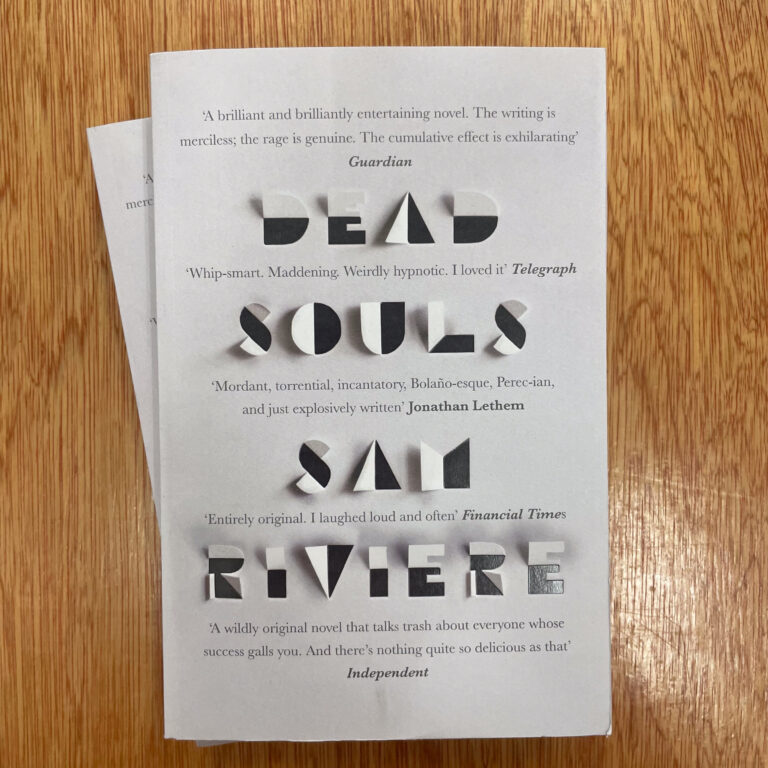
‘Bathtime footage, film watching footage, sleeping footage, heated conversation footage, heart to heart footage, disengaged in class footage, focused in class footage, successful tutorial footage, disastrous crit footage, second year depression footage, first year elation footage, final project panic footage, downtime footage, intoxication footage, illness footage, wellbeing footage, graduation footage, reading footage, writing footage (these last two kinds of footage being especially abundant in quantity and especially useless for their purposes of constructing an entertaining and affecting storyline). […] It was only in the event of a Northwick Author Development Academy breakout author achieving national exposure that a pitch to their sister distribution company would become a certainty, at which point the completed film, sometimes several years old, would be revisited and revised in the breakout author’s favour.’
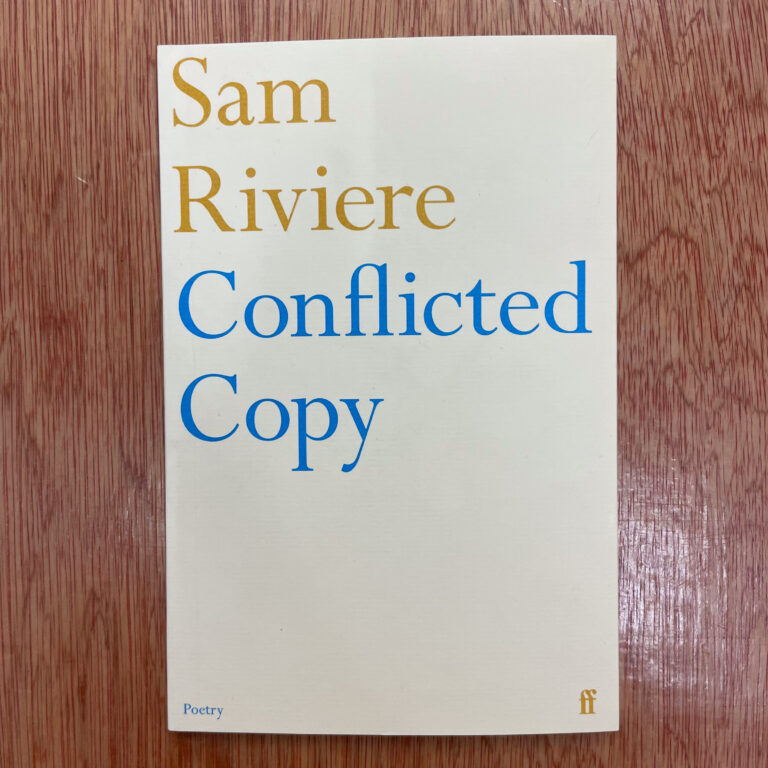
Sam Riviere
LLM pattern recognition carves out stories from the chaos of data. For us, this appears like a miniature of the calculus that we employ as we narrate our lives. Storytelling is often understood to be the essence of human memory; it allows us to temper the chaos of experience and thus grants us self-awareness, if not a modicum of freedom. However fictitious these narratives are (and they must always be so), they are what we point to when we discuss our exceptional position in the natural world.
Now that the uniqueness of our abilities has been challenged, how should we read authorless stories? However closely AI imitates narration, its lack of authorship means that we cannot trust its output in the way we believe the work of a writer. Tech optimists and tech pessimists alike focus on the future role of human agency, or lack thereof. But belief itself is perhaps the core of the issue.
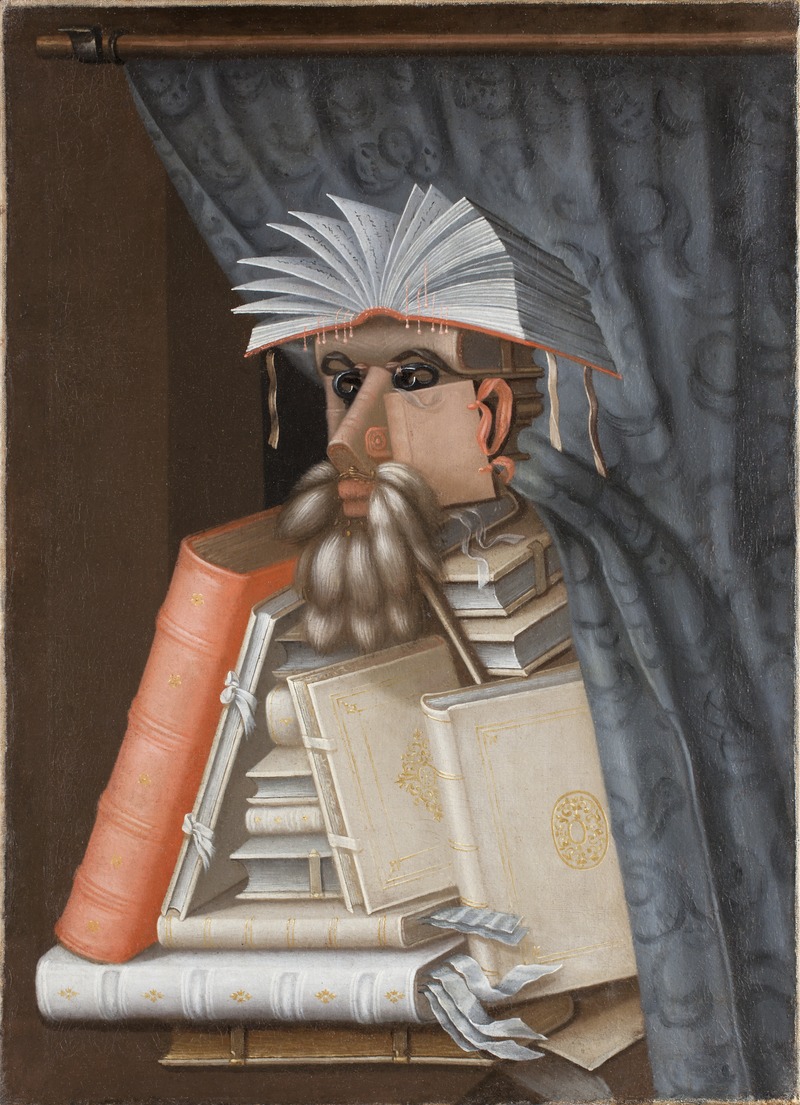
Is the biography of a writer, then, the only serviceable quality he has left? Do we cynically accept that our stories are nothing but the same mechanical process? Do we accept that it is only the reader’s projection of ‘personality’ onto the author that distinguishes literature from machinic content? Is a radical investment in spectacle warranted if we wish for’ literature’ to continue? If so, the author might only be necessary insofar as he can draw a curtain around the cold procedural truth of the matter.