The rise of grievance culture, with individuals boastfully claiming that they are the victims of aggression or injustice, has been well documented. Parts of the populace, whose lives other groups perceive as entirely carefree, claim that “micro-aggressions” or “inter-generational trauma” have driven them to breaking point.
But what happens when true adversity affects the voiceless? Whom do the survivors of shameful ills that have not yet been “destigmatised” turn to for redress? Where do people stuck in what doctors euphemistically call “shit life syndrome” — denied the opportunity to turn their suffering into social capital — find solace? How do “left-behind” communities express their grief when their violators are outside their social body?
The individualised culture of trauma perverts the meaning of grievance itself. It has rewritten how those afflicted by violence and others around them — the medical field, the state, society — respond to evidence of torment. The “grooming” gang scandal, for example, despite lingering in the public eye for many years, has not risen to the status of fact in a society living in relative security that nonetheless increasingly reports being overwhelmed by everyday life. The complaints of communities adversely affected by rapid social change, likewise, are dismissed as imaginary and unworthy of consideration.
If truths are no longer the currency of wrongs, what use is fiction? What does it take of the imagination to narrate evils that are inadmissible in factual accounts? How do cultures reconcile themselves to their traumatic present through artifice?
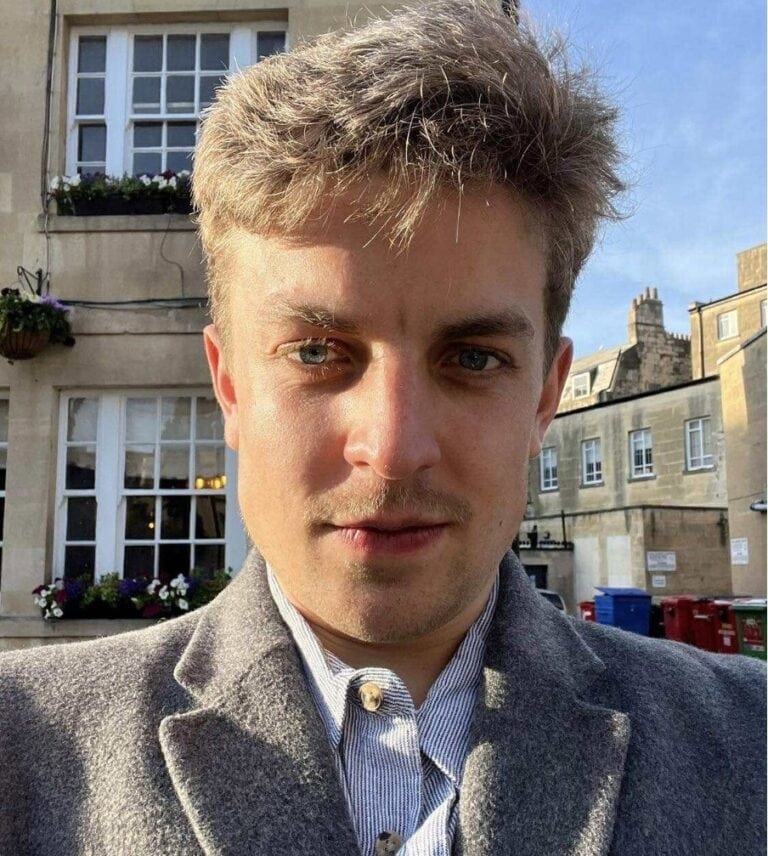
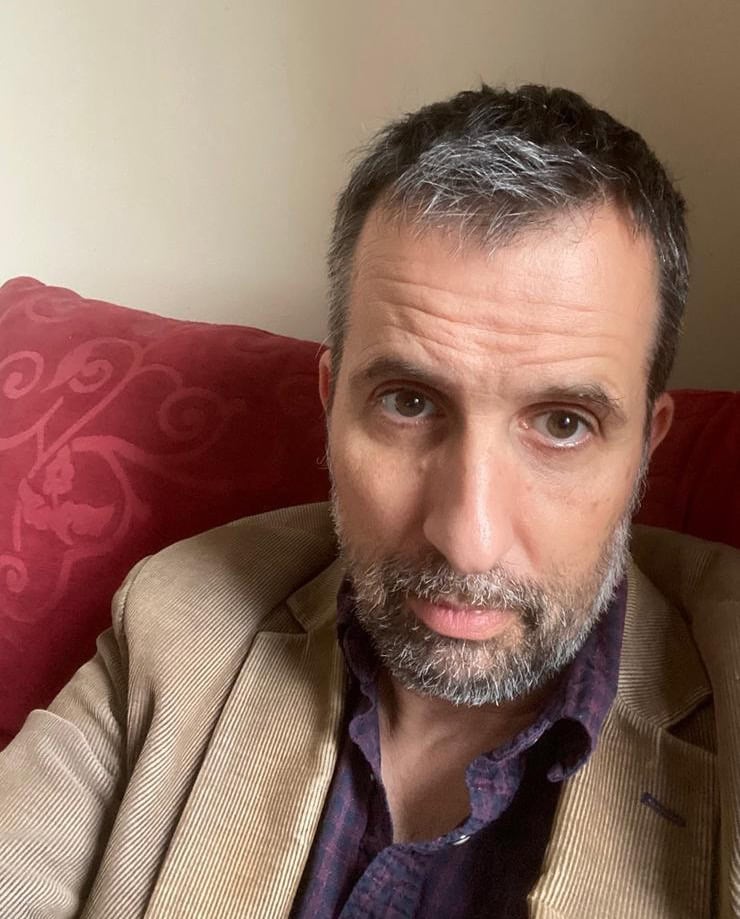
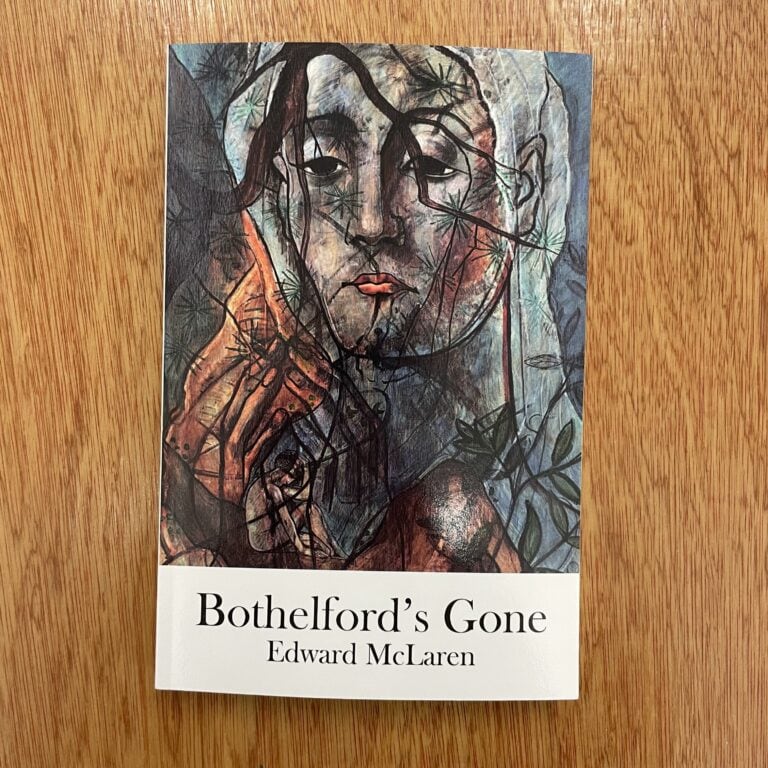
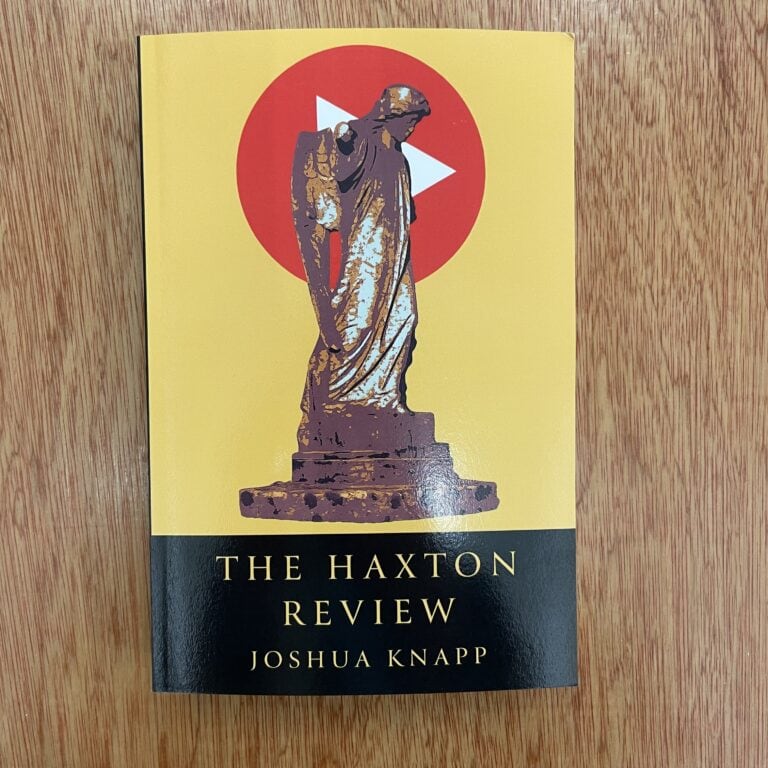
Émile Zoal’s Germinal, which narrates the grim events of a fictional 1860s miners’ strike in a fictional French town so “realistically” that it is read as a documentary, is a precursor in a genre which Edward McLaren and Joshua Knapp write today. Their recently published novels, Bothelrford’s Gone and The Haxton Review, give voice to sentiments that are at once evident and unbelievable.
Join McLaren and Knapp in conversation with scholar Jaspreet Singh Boparai to discuss fiction’s latent ability to establish truths and the risk of it further distancing fact from reality.