

Verdurin /vəʁdyrɛ̃/ is a cultural project in East London hosted by Pierre d’Alancaisez and programmed with friends.
Verdurin presents an idiosyncratic mix of events, courses, and exhibitions addressing urgent cultural, political, and philosophical questions through visual culture.
Verdurin is also a concept store and publisher, providing the essentials an aesthete will need to survive cultural doomsday: daring literature, artefacts deserving of perdurance, and artisanal provisions.
The name Verdurin is borrowed from Proust’s literary character Mme Verdurin who in À la recherche du temps perdu hosts a literary salon. Verdurin today carries on her spirit of conviviality and mutual edification.
We are happy to receive pitches and ideas for events, performances, launches, screenings, talks relating to art, culture, politics, and philosophy.
Team
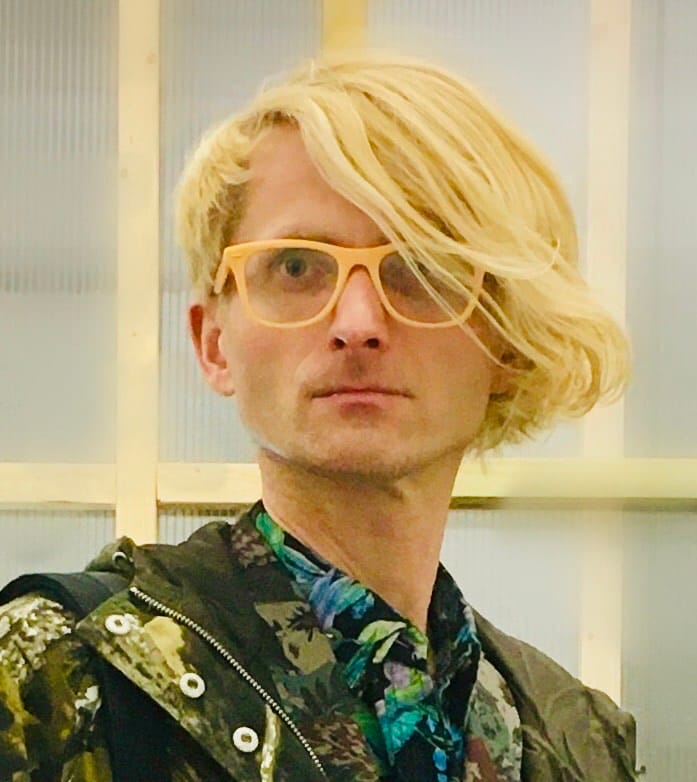

Pierre d’Alancaisez
Pierre d’Alancaisez is a curator and critic, and the founder of Verdurin.
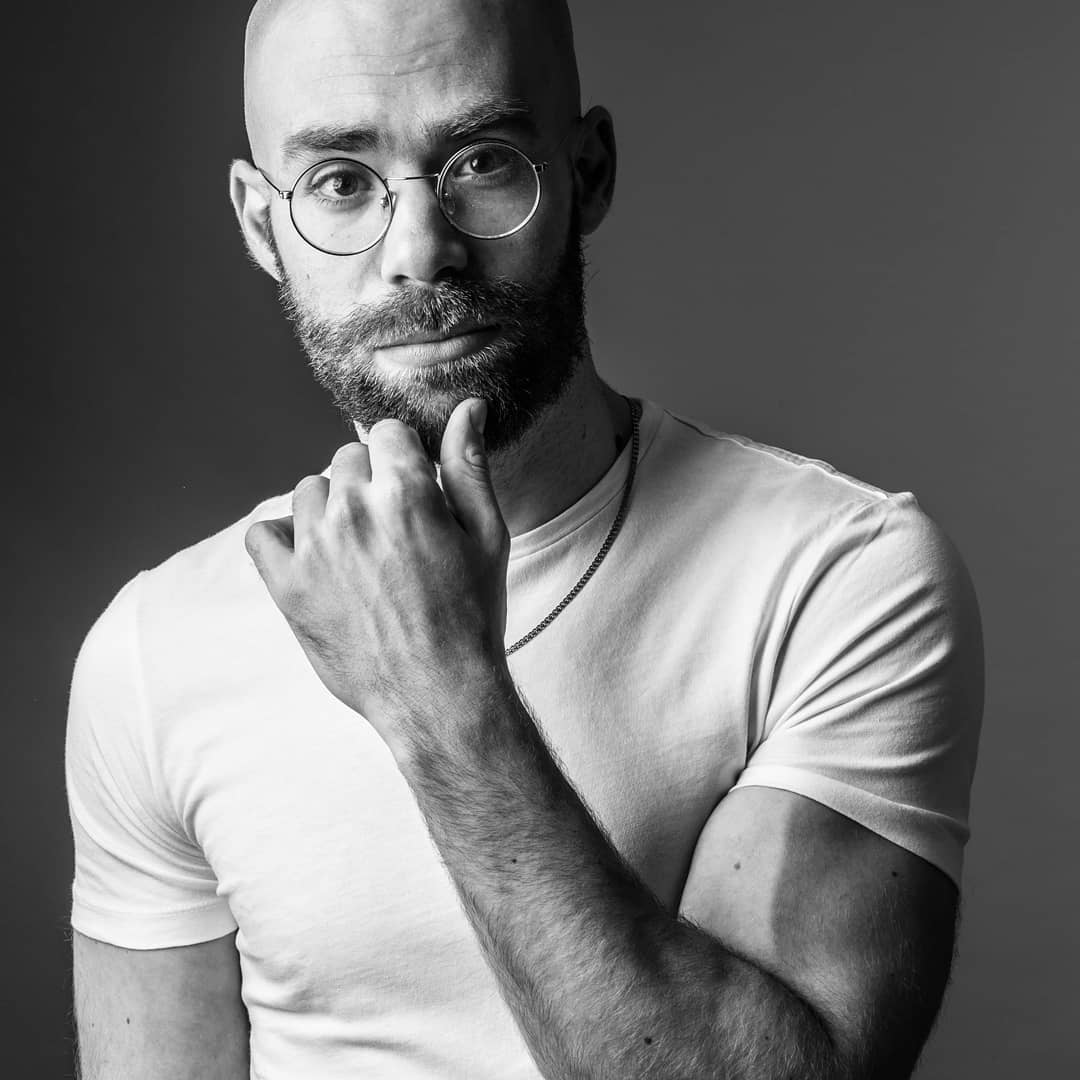

Amir Naaman
Amir Naaman is a novelist and a personal trainer.
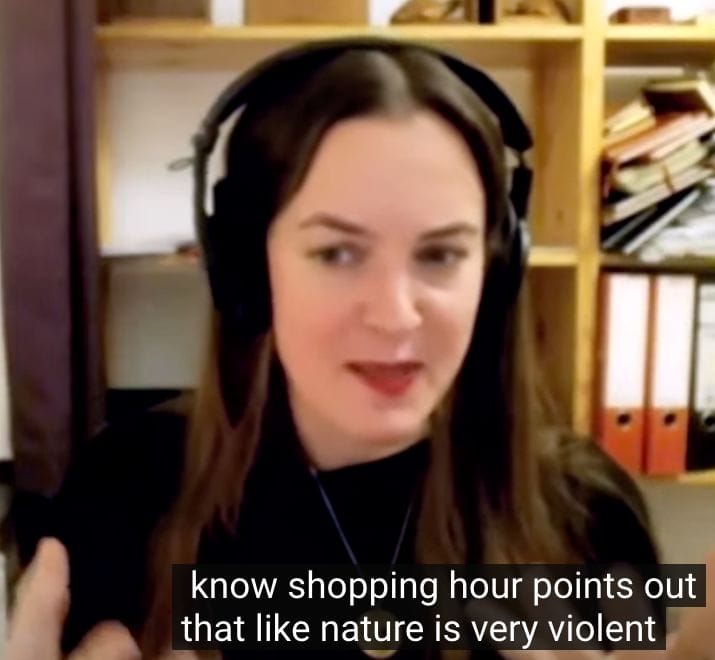

Nina Power
Nina Power is a philosopher and critic.

Travis Jeppesen
Travis Jeppesen is the author of numerous books and the creator of object-oriented writing.


Emma Bielecki
Emma Bielecki is a lecturer, writer, and researcher. She splits her time between London and nineteenth-century Paris.
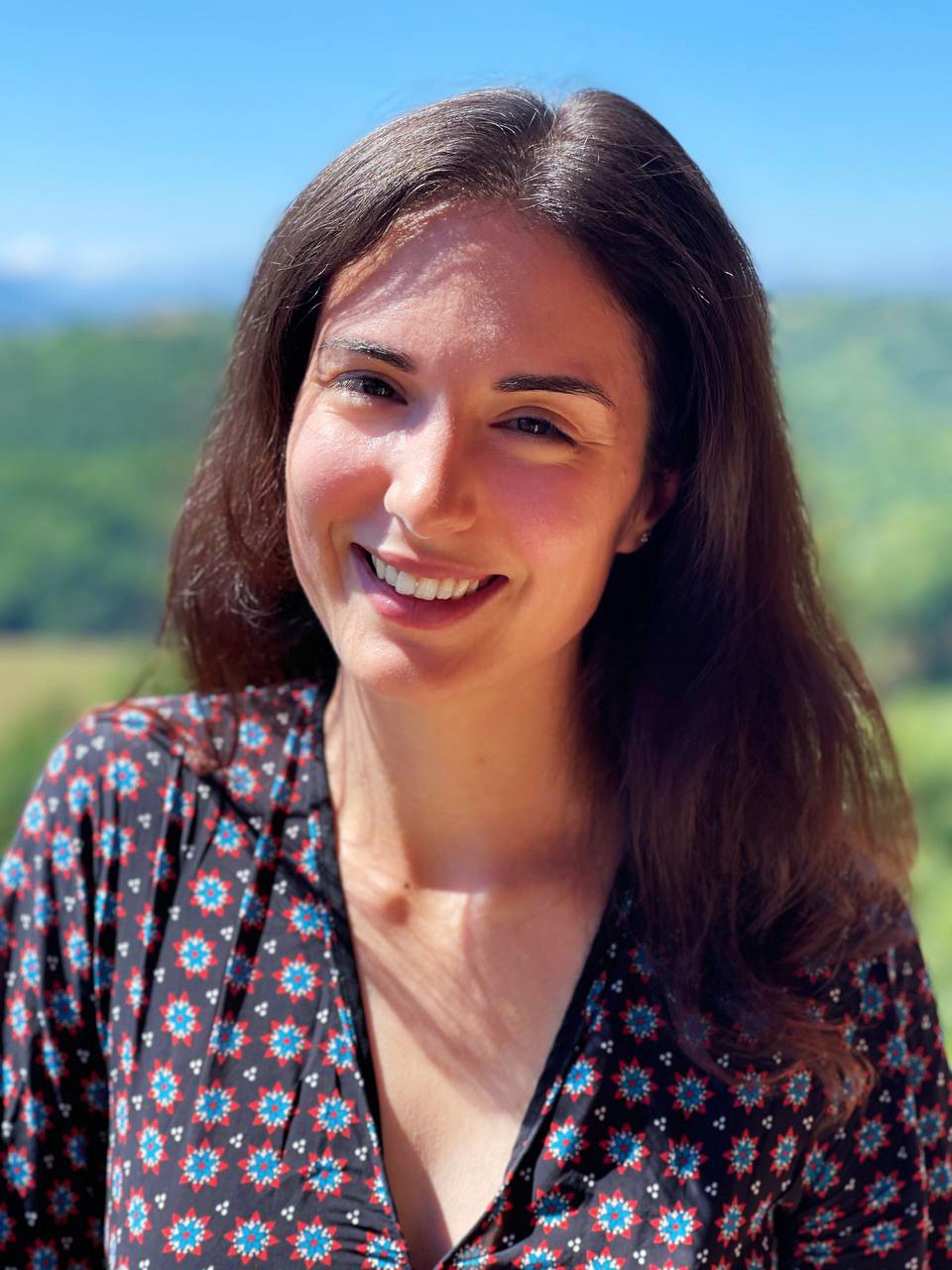

Lola Salem
Lola Salem is a researcher and cultural strategist.
Artists, contributors, guests
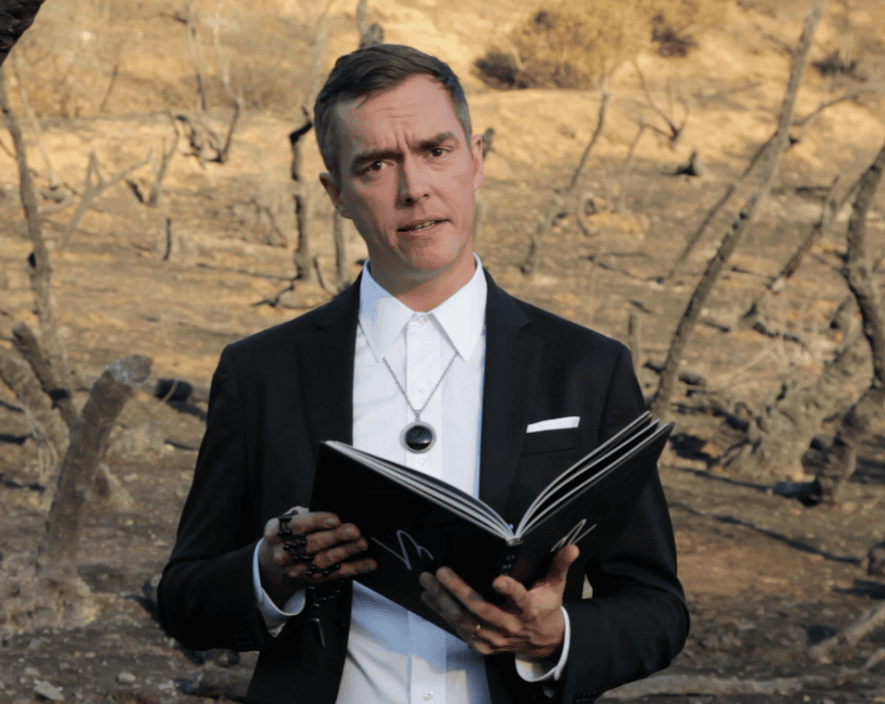

Aaron Moulton
Aaron Moulton is a curator and anthropologist. His research in ‘The Influencing Machine’ charted the impact of the NGO movement on the visual culture of Eastern Europe in the 1990s.
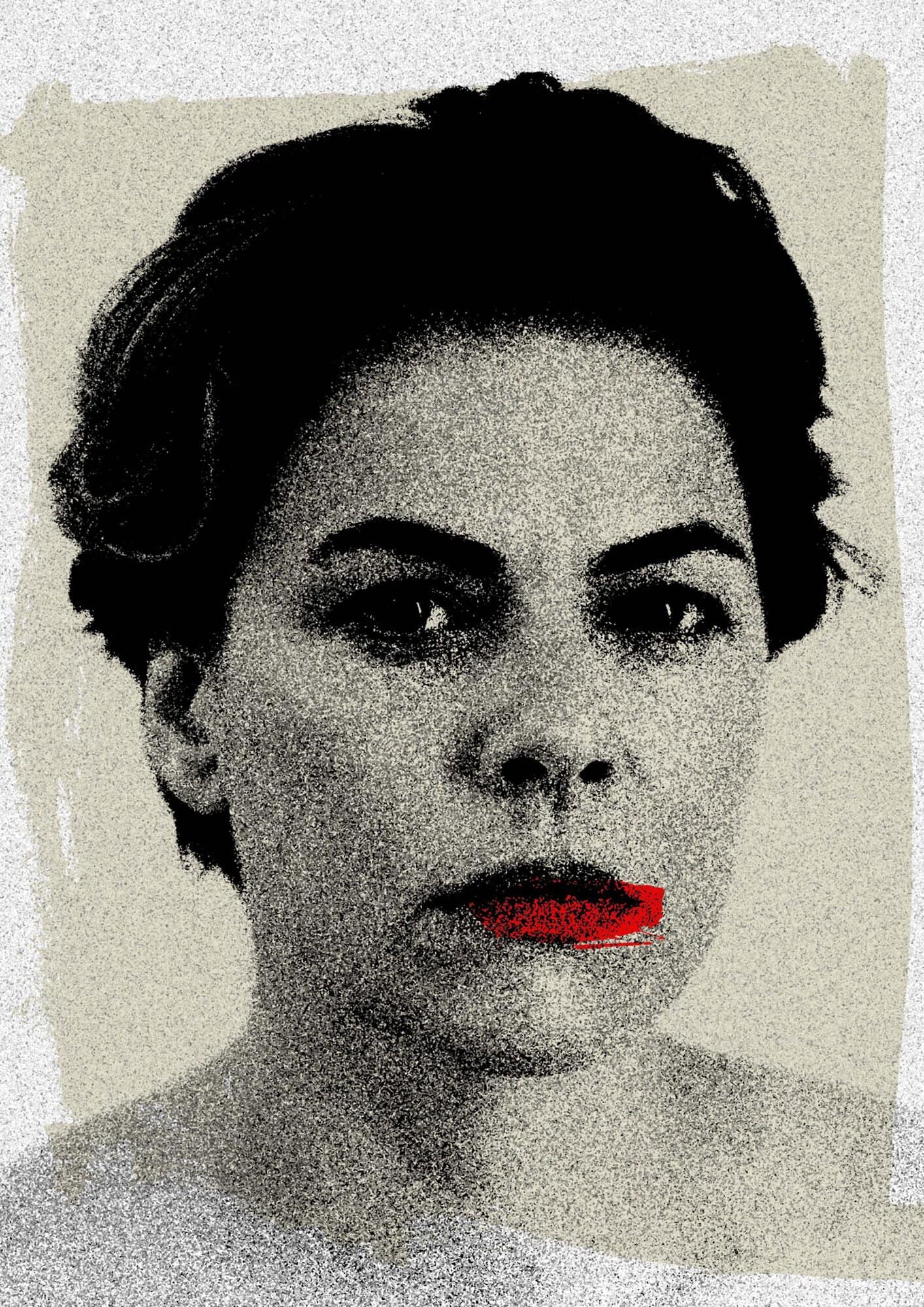

Rosie Kay
Rosie Kay is a dancer and choreographer who created MK ULTRA with the film-maker Adam Curtis.
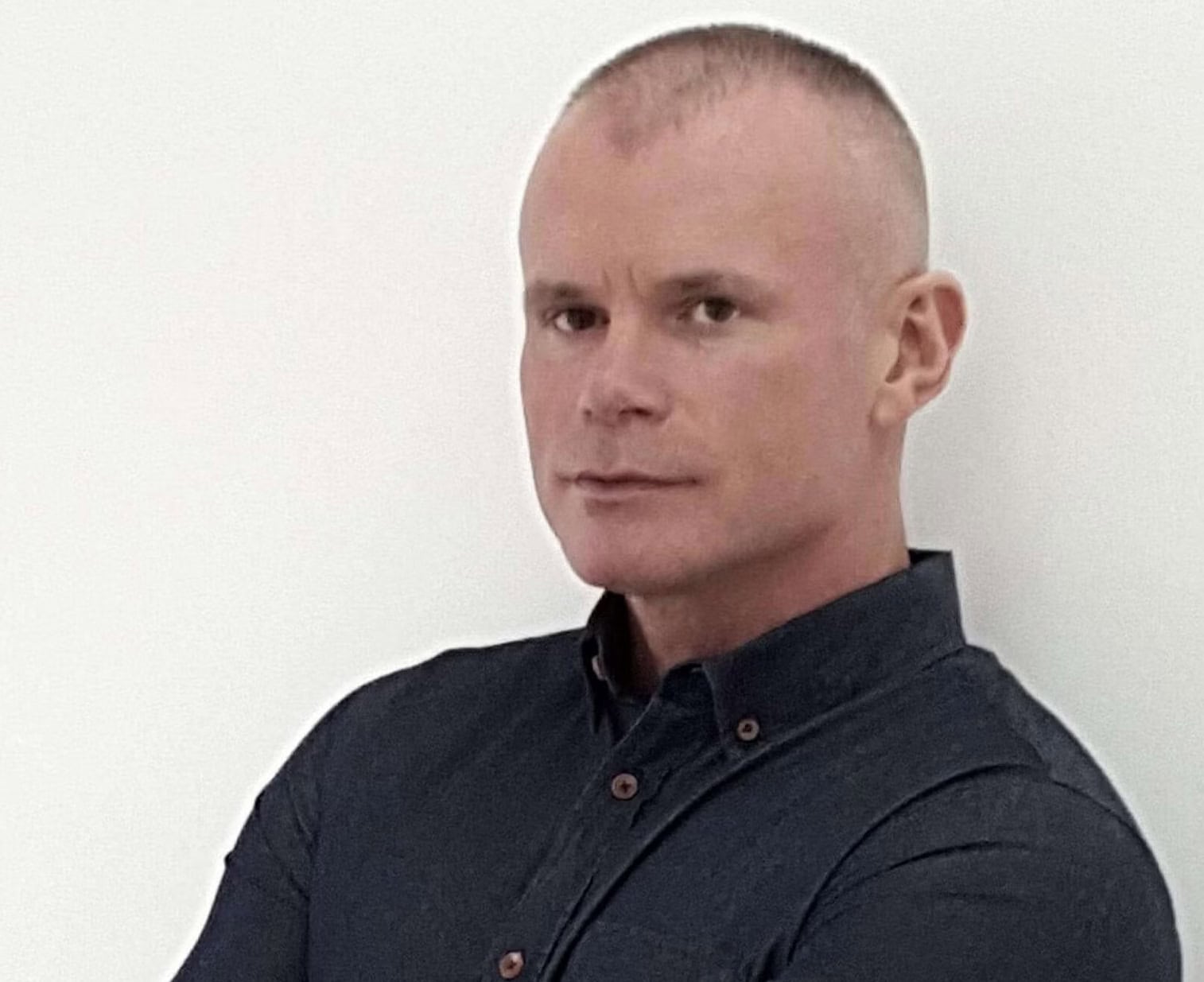

Mark Simpson
Mark Simpson is a writer and broadcaster credited (or blamed) for coining the term ‘metrosexual‘.
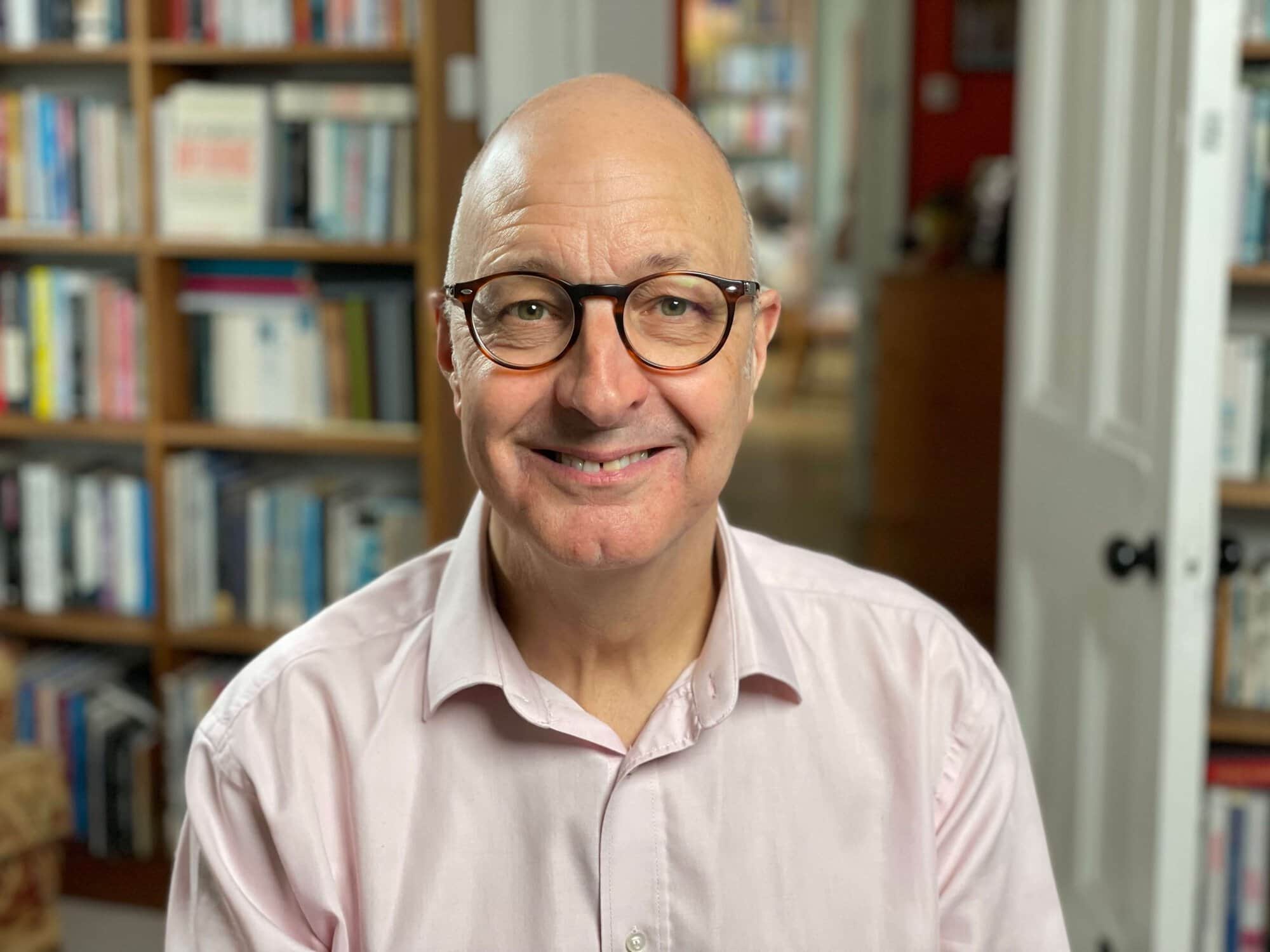

Simon Fanshawe
Simon Fanshawe OBE is a broadcaster, writer, and activist. He was one of the founders of the LGBT charity Stonewall.
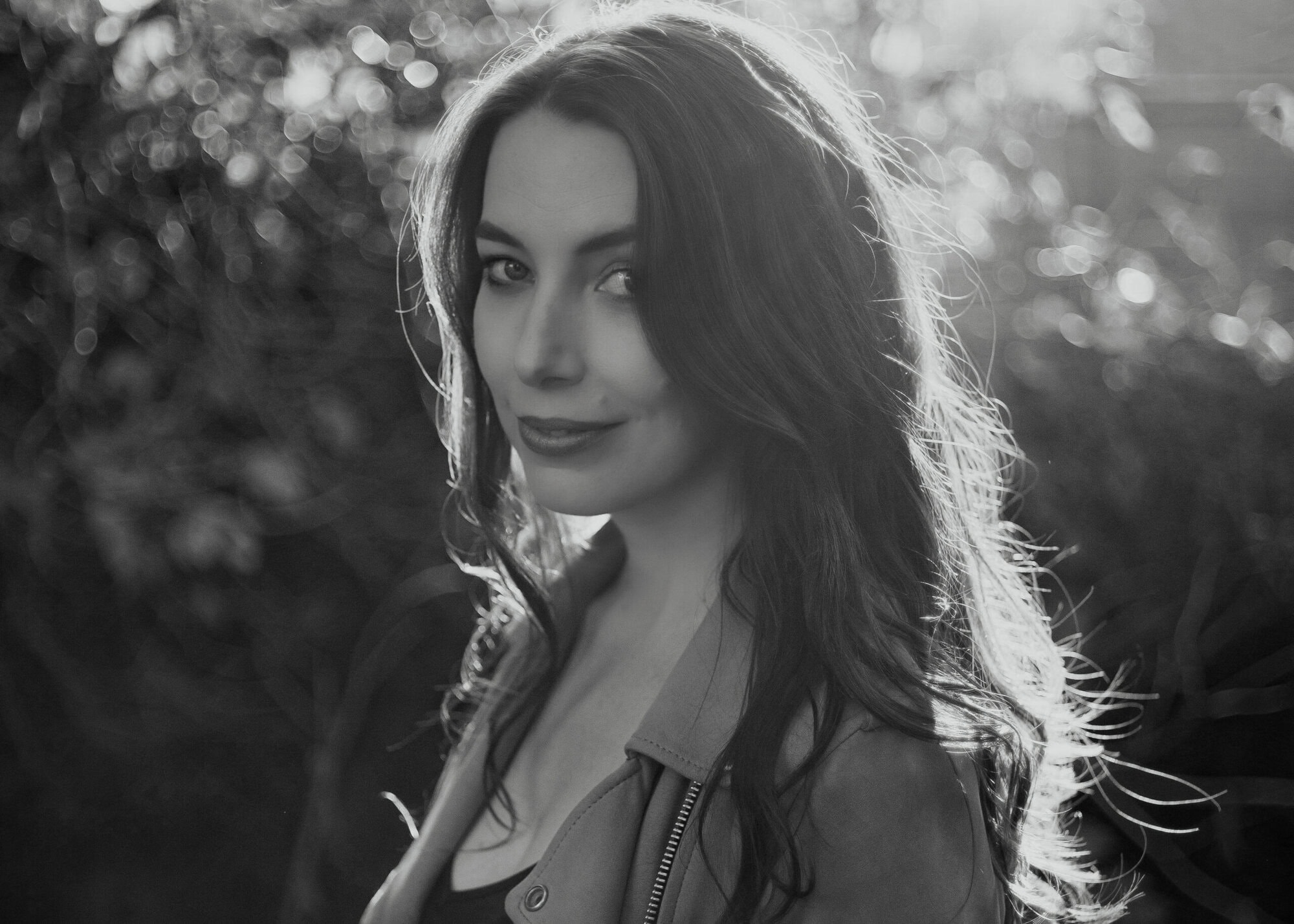

Abbie Lucas
Abbie Lucas is a filmmaker, theatre director, and co-host of Art of Darkness.
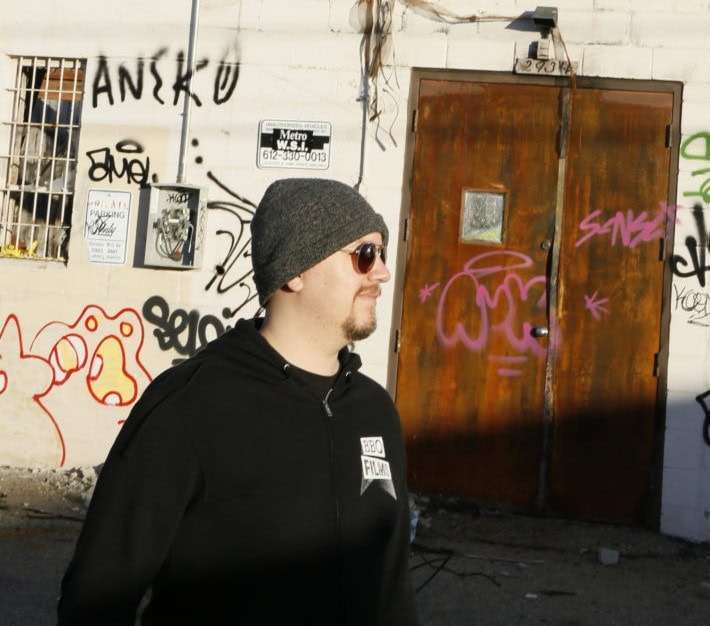

Kevin Kautzman
Kevin Kautzman is a playwright and co-host of Art of Darkness.


Karin Ferrari
Karin Ferrari is an artist exploring ‘trash mysticism’.


Benjamin Studebaker
Benjamin Studebaker is a political theorist.
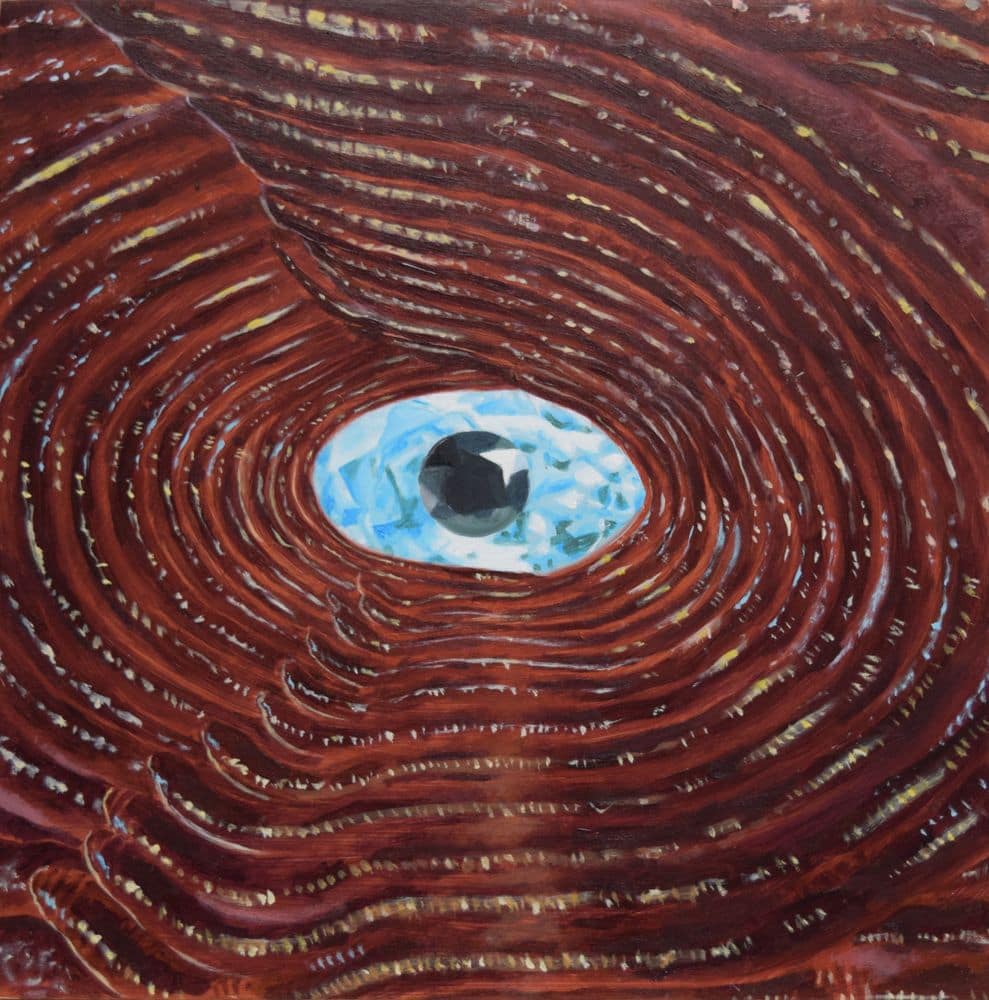

Thaïs Lenkiewicz
Thaïs Lenkiewicz collages science fiction, religion, conspiracy theories, game shows, and prehistory.


János Brückner
János Brückner is an artist working in installation, video, and painting.


Dougal Verinder Gedge
Dougal Gedge’s practice reflects a reality experienced compulsively online.
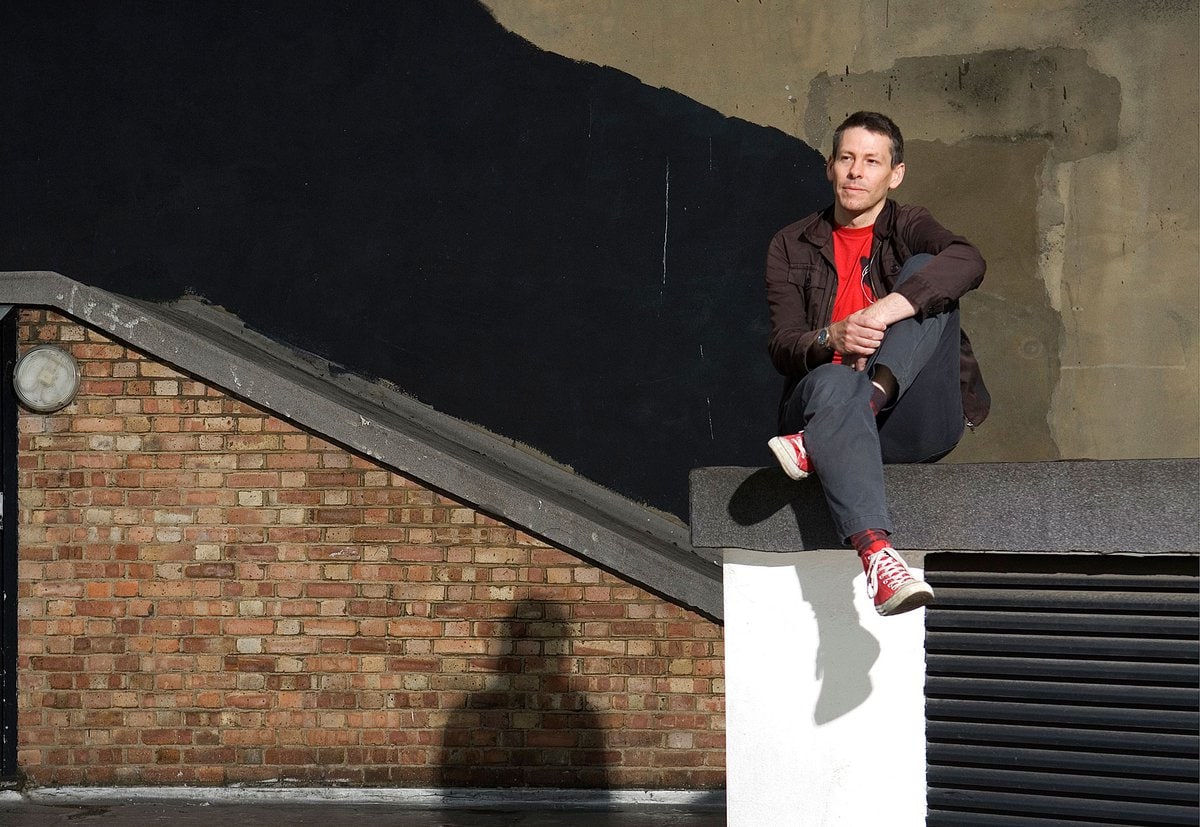

Ed McKeon
Ed is a music programmer who explores the aesthetic implications of shifts in understanding of history.
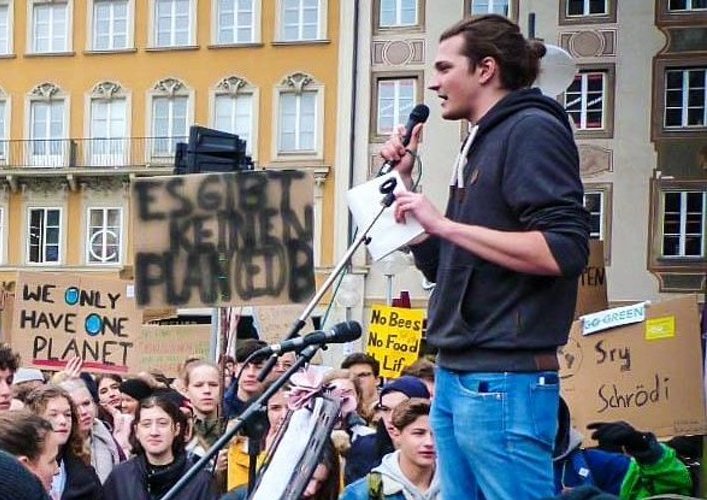

Georg Kurz
Georg Kurz is a German politician associated with the Die Linke.
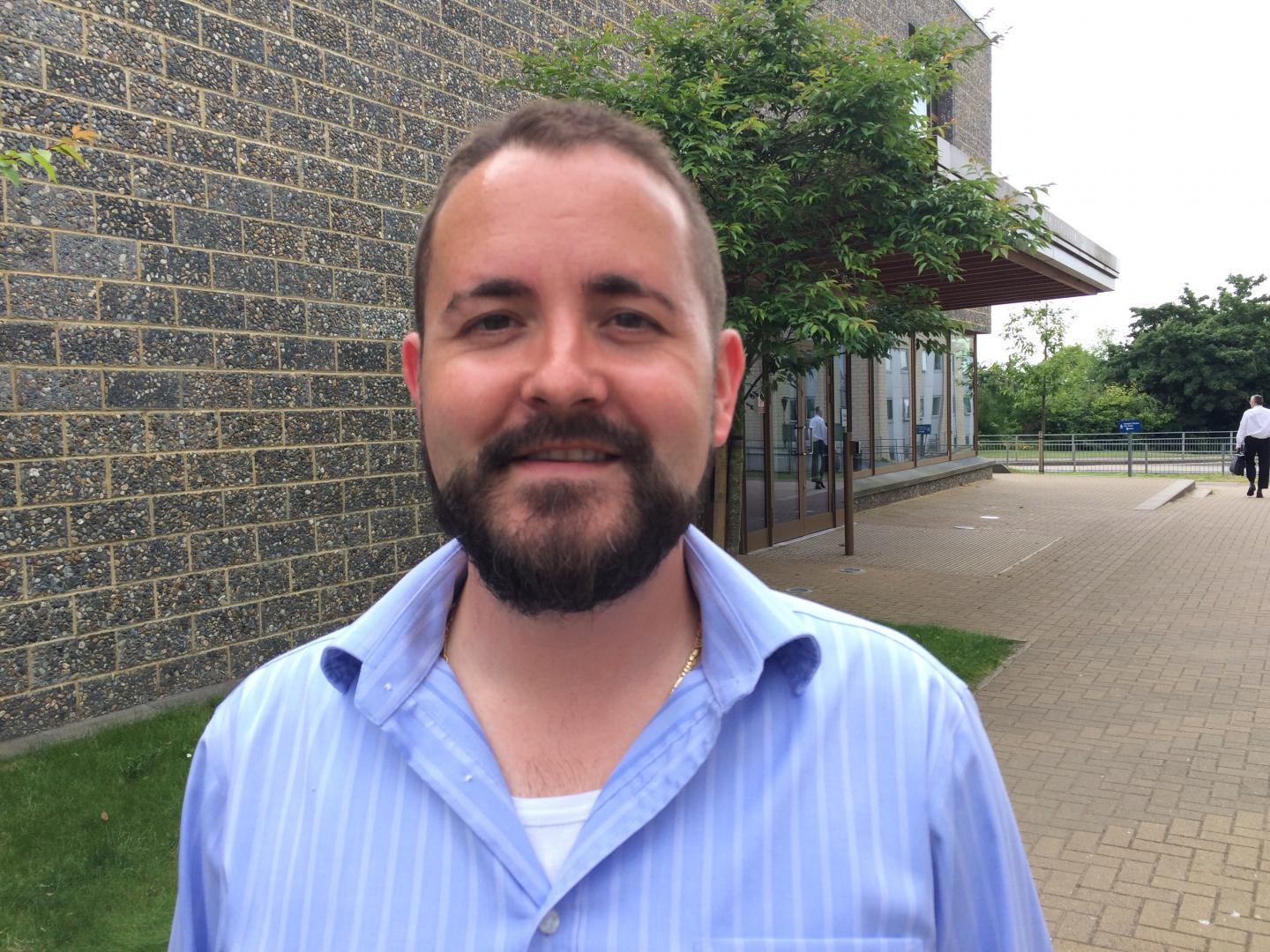

Philip Cunliffe
Philip Cunliffe is Associate Professor in International Relations at UCL, co-founder of Bungacast, and author of multiple books on international politics and security.
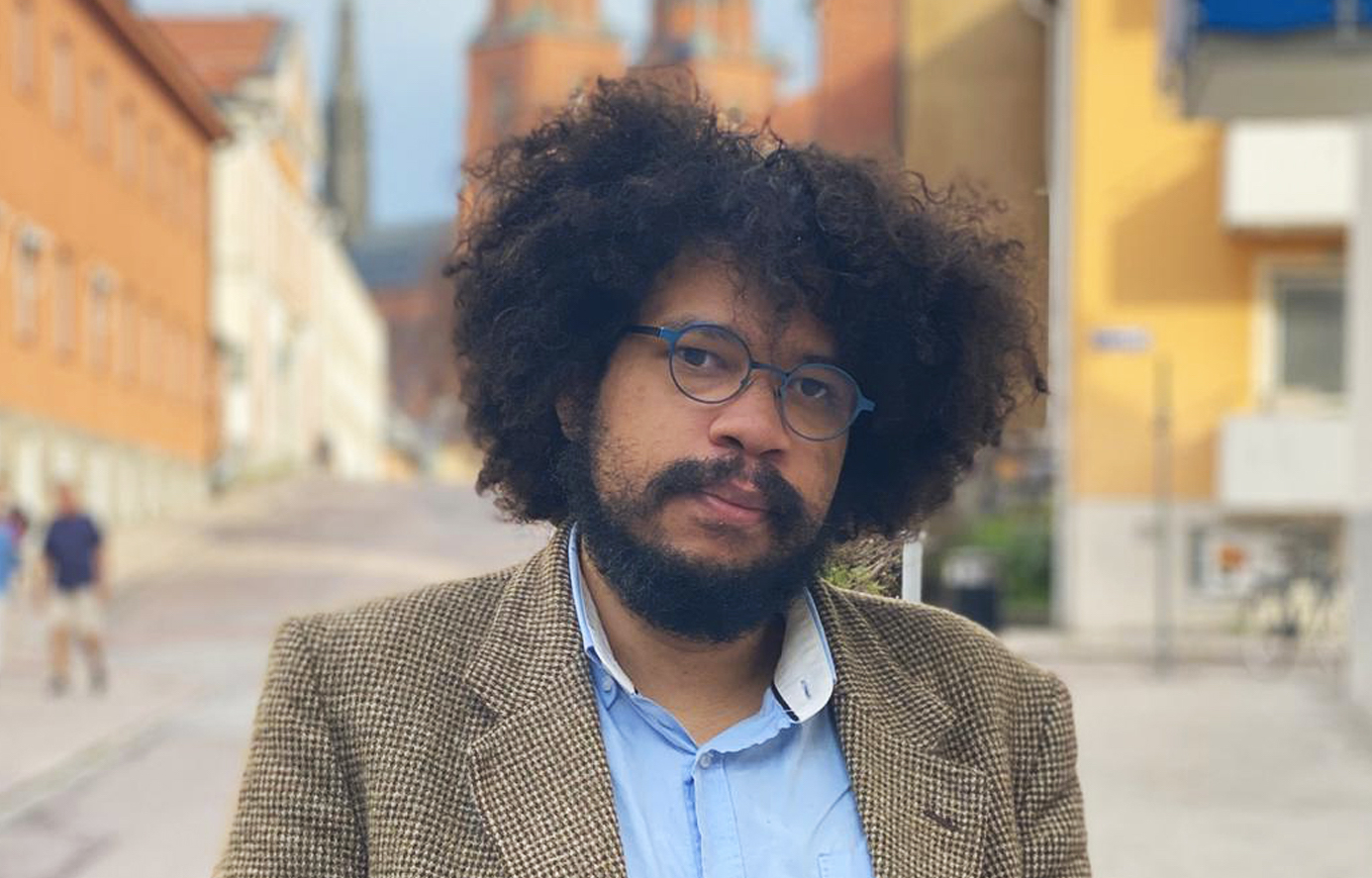

Malcom Kyeyune
Malcom Kyeyune is a writer living in Uppsala, Sweden.
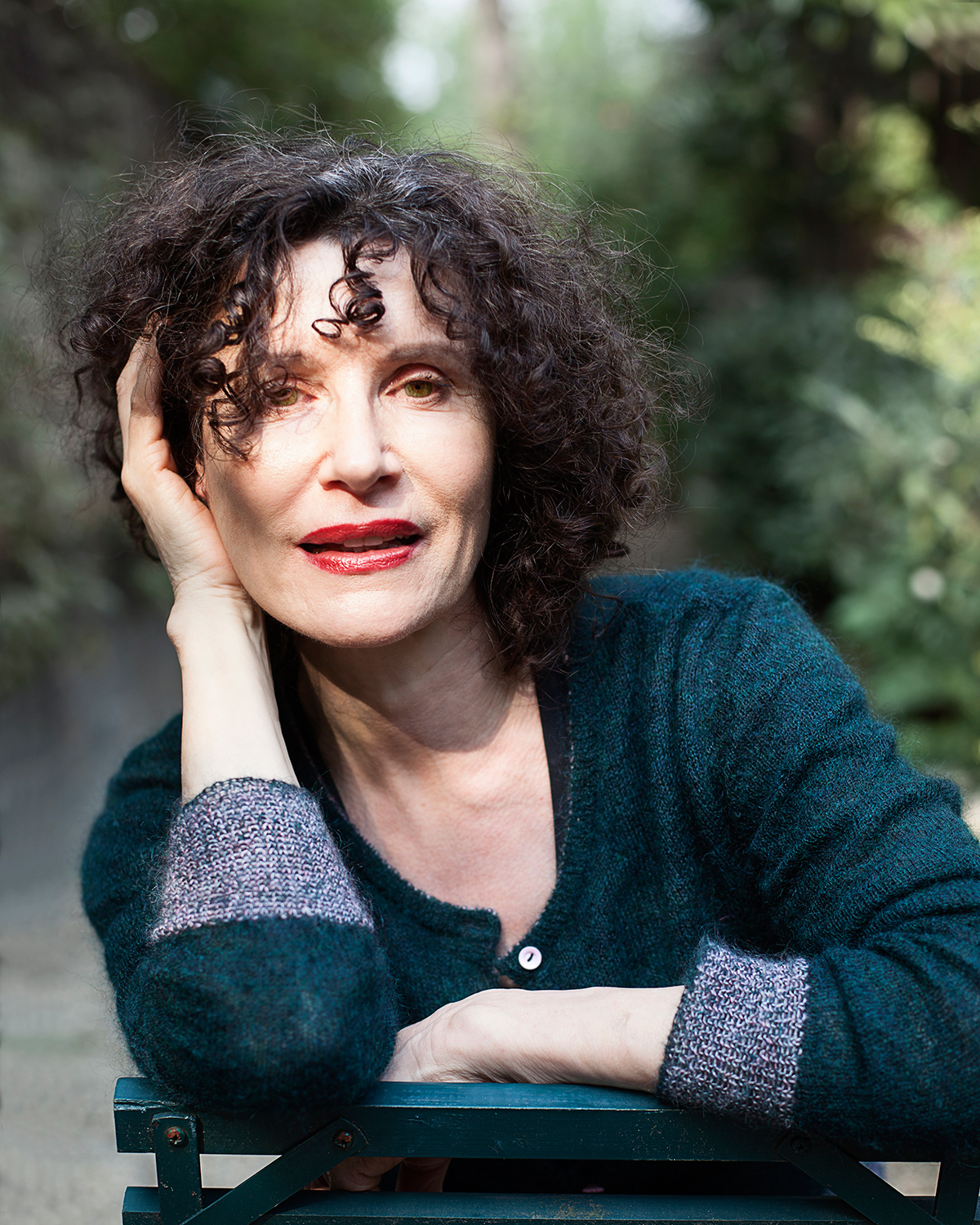

Kristin Milward
Kristin Milward is an actress known for her work on the stage.
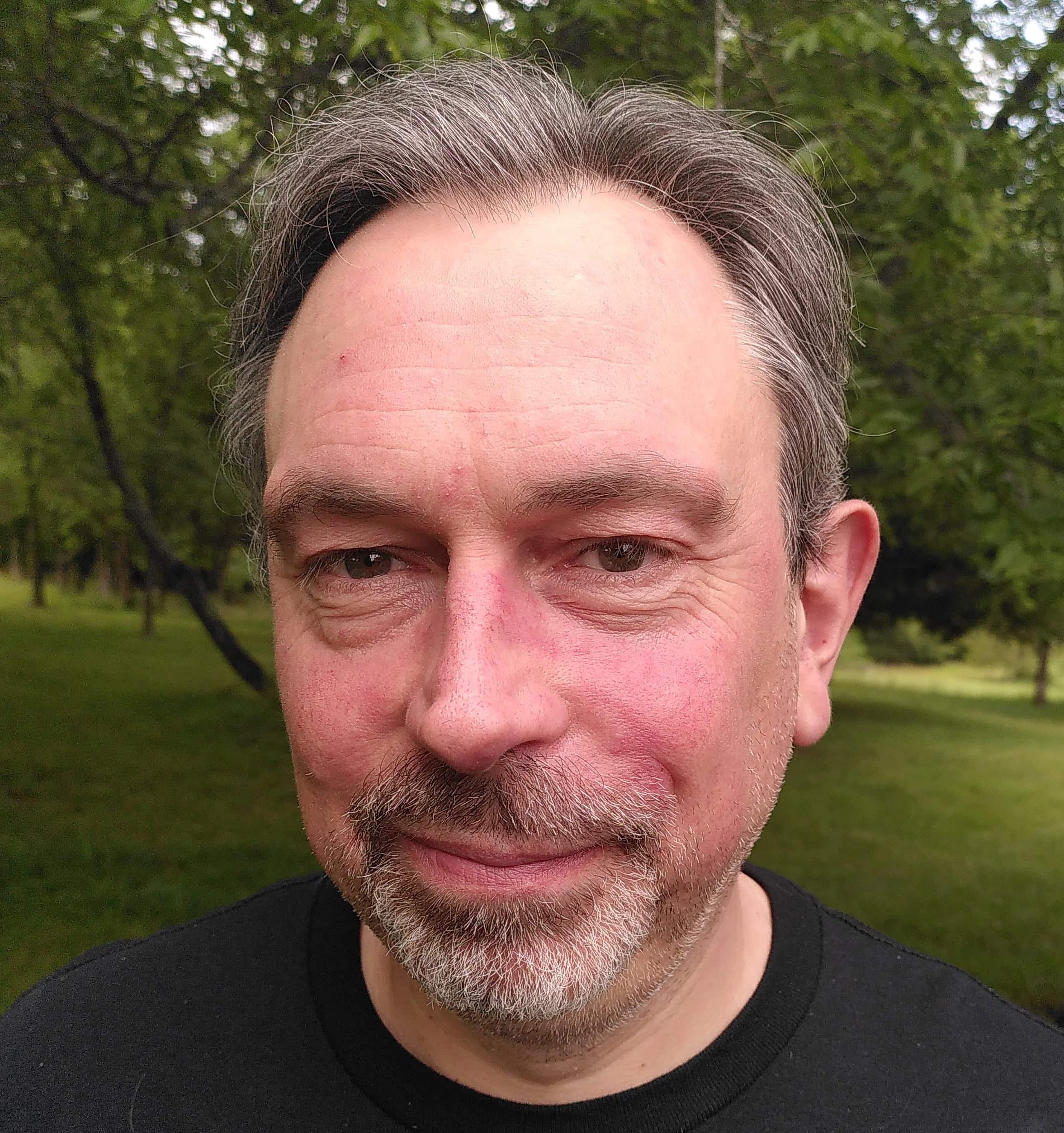

Chris Bateman
Chris Bateman is an award-winning game designer, philosopher, and an intellectual mercenary fleeing the smouldering ruins of academia.


Daniel Hadas
Daniel Hadas specializes in early Christian literature, medieval Latin, and the study of manuscripts.


George Hoare
George Hoare is a political theorist, podcaster, and author.
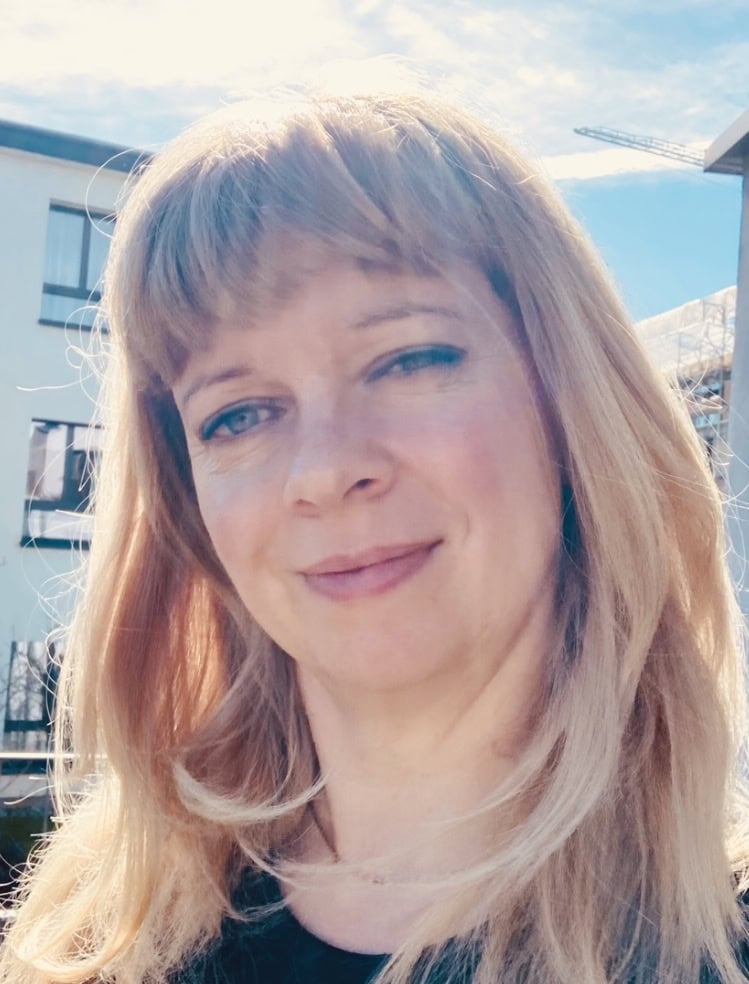

Elena Louisa Lange
Elena Lange is a philosopher, Japanologist, writer, former musician, and former assistant professor. She is the editor of Café Américain.
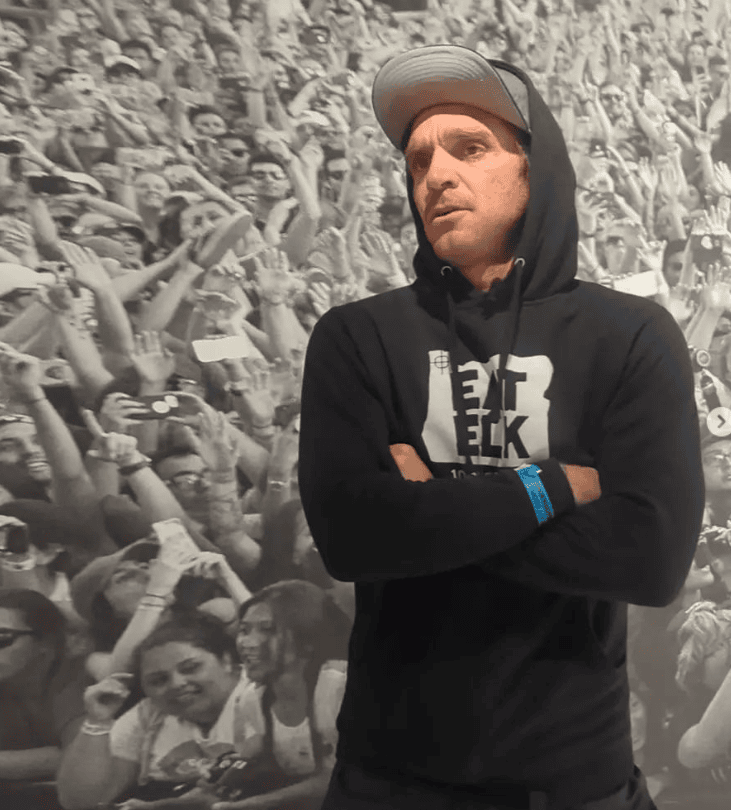

Bryce Nance
Bryce Nance always wanted to go to college. Not for a degree or career, but to be “a man of letters”.
